







Cedar Ridge Beagles
c/o Toni Perdew
crbeagles@gmail.com
(the best method to reach me is via e-mail)
Bedford, Iowa
Click
here for additional contact information.
Our premises are monitored via video
surveillance for your puppy's safety!
Toni Perdew
3005 Lexington CT
Bedford, IA 50833
|
Once you pick your perfect puppy, you can begin to shop for the supplies
you'll need to care for him. If you take the time to prepare, you can avoid
rushed trips to the pet store, and you'll have more relaxed time to spend
with your puppy.
Video
describing the items that typically come with your puppy:
Click
Here
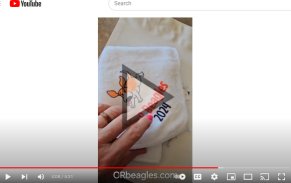
Example of what we might be sending home with your puppy:
** Quart-sized bag of food (3-6 days of food)
** 6-day starter of antioxidant supplements
** Veterinary inspection/health certificate (to cross state lines...once
home, this can actually be thrown away)
** Blanket with littermates' smell
** Health history for your veterinarian, with vaccination sticker
** Registration papers (usually AKC or UKC or UABR or APRI)
** Summary of topics we talk about when we meet, to help you remember what
we discussed.
** A bag to carry the supplies in
Some of the links
below are old, and those web sites no longer exist. I can't keep up
with all of the changing addresses and defunct pages, unfortunately. But,
some still work! :-)
Safety
Remember that not only supplies are important. Similar to
child-proofing a home, you must puppy-proof your home and yard.
- Move plants (some are
poisonous) out of areas puppies can reach.
- Also, check for electric cords
that are on the floor or within puppy reach.
- If your yard is fenced and you
plan to turn puppy loose to potty, check for holes large enough for a soup
can to slide through. If you find them, it's possible a young puppy could
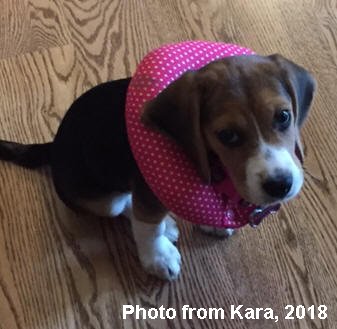
shimmy through! There is a handy item called a "puppy bumper"
(see picture below) that you can
attach to your puppy's collar to prevent him/her from fitting through
gaps until he/she grows too large to squeeze through:
https://www.amazon.com/s/ref=nb_sb_noss?url=search-alias%3Daps&field-keywords=puppy+bumper
- Read through a list of poisonous foods
and household items that can sicken or kill dogs, such as Xylitol-sweetened
chewing gum, plants, etc. This isn't a comprehensive list, but here are
some ideas: Poisons in the home/yard/garage.
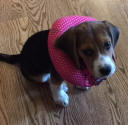
Puppy Bumper
Once that is done, you're ready to think about supplies.
Keep in mind the following tidbits as you plan:
- Our parent beagles are generally 10 to 14" tall, and 14 to 30 lbs (most are 18 to 25 lbs). Look at your puppy's
parents' sizes to see where your puppy might end up on that scale.
- Puppies will reach most of their mature size by the
time they are 8 months old. Remember that for those first months you have
your puppy, he will rapidly outgrow collars, winter clothing (if you use
that...beagles are hardy, and don't "need" it...but it's fun!), etc.
- Puppies are in need of food specifically designed for a
puppy's growing body. Buy only "for puppy" foods. Click
here to learn what kinds
of foods we recommend.
Made in America
(these links might
need to be updated)
As you look through the ideas below, also
keep in mind that you can find products that are Made in the USA.
:-)
-
Pet Supplies:
http://americanmadeyes.com/
-
Pet Supplies:
http://www.madeinusa.org/nav.cgi?data/pets
-
Pet Products:
http://www.americansworking.com/pets.html
-
Pets and Wildlife:
http://www.stillmadeinusa.com/
-
Pet Supplies:
http://www.americanmadeproducts.com/
-
Pet Supplies:
http://www.buyamerican.com/petsupplies.html
Collar/Harness and Coat/Sweater Sizes
COLLAR: You will need a small collar at first, and then will have to buy another
one or two to fit your puppy as he grows. So, don't break the bank buying
that first collar, as it will not be in use for a long time. We
generally find that collars adjusting for the range between 8" to 12" work to start (as your puppy
will weigh about 4.5-6.5 lbs when you get him/her from us, though the range can be
from about 3.5 to 7.5 lbs at 8 weeks). You can try one that fits the range of
6" to 10", but he/she will grow out of that one fairly
quickly. Find
recommendations for choosing a
dog
collar and
dog
leash for your puppy.
HARNESS: If you get a harness, measurements for an
average 8-week puppy will be close to 8" neck and 13" girth, give or take a
little bit. Again, he/she will grow quickly!
COAT/SWEATER: Remember
that your puppy will grow very quickly! If you do choose to buy a
coat/sweater for your puppy, keep in mind that it will quickly be outgrown
(so don't spend a lot!) The typical size for our puppies at 8 weeks is
close to
8" neck and 13" girth (around the body behind the
shoulders/elbows), give or take a little bit. I might try to find
pictures of my homemade ones....just cut the sleeve off of a large
sweatshirt and cut holes for the front legs. The head comes through the
wrist cuff. It works in a pinch! This search link might show you how
to make a DIY sweater with no sewing required:
puppy coat made from sweatshirt sleeve (or other no-sew options)
Dishes
Pick bowls that are easy to clean, the right height for your puppy's
mature height down the road (beagles will generally be between 11.5 and 15"
tall at the top of shoulders), and that are not easily broken or turned upside down. Check out this
dog
dish buying guide.
Purchase with his adult size in mind.
Food and Vitamins/Antioxidant Supplements
Click
here to learn what kinds
of foods we recommend. We also recommend NuVet Plus Immune Support
antioxidant supplements for puppies (actually, for their whole lives), as these can help
puppies develop a better immune response with their vaccinations than puppies
not given immune support vitamins. Learn more about ordering NuVet Vitamins on
the food page.
Indestructible Chew Toys
Puppies like to chew on things, so have a few chew-approved items around.
Talk to your vet about this when you have your first appointment, too. For
example, some vets do NOT recommend rawhide chews, because pieces that are
swallowed can cause bowel irritation, injury, obstruction, and bloody stools. Visit this guide to
dog chew toys. Some favorites we hear about are Nylabones and
Kongs. You
don't need a lot of toys. Just a few good ones will be quite sufficient.
Also, some people keep their dog's toys in a basket. We
even have friends that have trained their dog to put toys away in the basket
on command. A "place" for the toys when not being played with is a good
idea. Like with children, you can also rotate toys. When puppy becomes bored
with a toy, put it away for a few weeks. When you get it out again, it will
be like it's a new toy.
Most people don't buy this, but I'll toss it out just FYI.
You can buy Puppy Anti-Chew spray to put on items puppy wants to chew
on...but that you don't want him to chew on.
Comfort Products
Just to consider...some people consider
these helpful in the first couple weeks puppies come home!
Your new puppy will cry off and on for
several days most likely after leaving his littermates. A new home, new
family, and new schedule creates stress, and puppies are confused until they
begin to forget their previous environment. To help reduce your puppy's
stress, and also your own distress, you might look into these:
Potty Training, and Yard Fence, Invisible Fence or Tie-Out Line
You can teach your puppy to ring a bell to
alert you when it's time to potty!
We like to take them to the door, set them on the floor, and either tap
their paw on the door or ring a bell (hanging from a string or a bell that
is sitting on the floor) before proceeding outside. This teaches them that
they need to "give a sign" at the door to signify that they need to go
outside. If we pick them up and carry outside, without stopping and asking
them to make a signal, it may take longer to get them to give us a sign.
Dog Doorbells on Amazon
Mighty Paws bell (the ones we have)
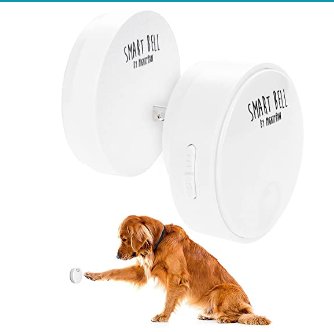
If you plan to turn your puppy loose in the
yard to potty, be aware that it should be fenced! Any dog...not just
beagles...can SO quickly dart into the street that an un-fenced yard is
truly not a safe place for any puppy to be turned loose in.
Yard Fence: Lots
of options for yard fences will work. Make sure there are no holes small
enough for a soup can or regular can of vegetables to fit through, and your
puppy should be contained. If the holes are larger (such as in some privacy
fences), just keep the puppy on a leash until he/she has outgrown those
gaps. Even a temporary roll of fencing 50' long and 3' tall (with 2" wide
rectangles) held up with step-in fiberglass fence posts will work to contain
the puppy until he/she is 4 months old, and possibly longer. Pop up the
posts and move it around to mow!
Invisible Fence:
If you don't have a fenced-in yard, consider an underground
invisible fence. You'll see references online about beagles not staying
inside the constraints of an invisible fence, but we have several puppies in
homes that have them...and they have been successful! Read instructions
online before buying, and only commit if you promise yourself and your puppy
that you'll do the training correctly. Invisible fences are also inexpensive
and don't present a problem for mowing/trimming grass. Nice! They don't
always need to be buried. If carefully tucked down into the grass, they can
be beneath the mower and will soon bury themselves into the grass roots and
even end up under soil eventually.
If you are in central Iowa (or any part of
Iowa...still contact them!), this company comes highly recommended by one of
our puppy's families. They came, installed the fence, AND trained the puppy.
If a second puppy is added to the family later, they will come again with a
second collar and train that puppy. That's service!
There are also "wireless invisible dog
fences," which allow you to set a distance that the dog can freely travel in
(usually from 50 to a few hundred feet...you set the distance). They don't
require wires to be placed in/one the ground, so have a quicker set up time,
but still the same type of training time. And, there are GPS invisible
fences!
Chain Link Kennels:
Many people opt to fence in a 10 x 10 or 10 x 20 foot area for their potty
turnout time. Most farm-and-home stores and lumber yards sell 10' long, 6'
high panels that easily connect together to make an enclosure. You will need
a truck or trailer to haul the panels home, but it's sure easy. I can set
one of these up myself, without help. That says a lot, because I'm not handy
with tools!
Tie-Out Lines:
There are many available, in lengths up to 30'. Consider whether you will
want to take the stake out of the ground to mow...if you don't want that
hassle, get one that is designed to hug the ground below mower blades. Just
remember to detach the cable/line before you mow! These are just for short
times, as I feel dogs should NOT live staked out on a line.
DANGER!!! Ensure the dog can't jump over anything while on the line. I know
of dogs that have hung themselves by their leash by jumping over a chair or
dog house while attached to a line.
Dog Crate
Crate training is the easiest way to foster good house training habits,
according to many trainers. A crate can also serve as a safe, comfortable
place to keep your puppy while you're away from home or when you travel with
him. View this guide to
choosing a dog crate. Our beagles will generally mature to 11 to 14"
tall at the shoulder and 15 to 30 lbs.
Purchase with his adult size in mind. Also, determine
your size based upon whether you will use the crate in the home (to
crate train
and to confine the puppy while you're at work) or just for travel to and
from the vet or on vacations. My favorite size is about 30" long, 2'
wide, and 2' tall for an adult beagle (two can fit in there if they
need to be crated for a short time), and a removable divider wall is great
to reduce size inside while the puppy is growing (too large encourages them
to pick a corner to potty in).
Grooming Tools
These are an enjoyable part of puppy care for both puppy and owner (well,
maybe not the nail trimming time). Beagles don't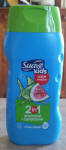
require much in the way of
grooming because they have short hair and don't shed a lot. But frequent
brushing can reduce what hair they DO shed, plus will be a time to spend
with the puppy doing a calm activity, as opposed to play time. A
soft-bristled brush and a pair of nail trimmers are a good idea. Also, have
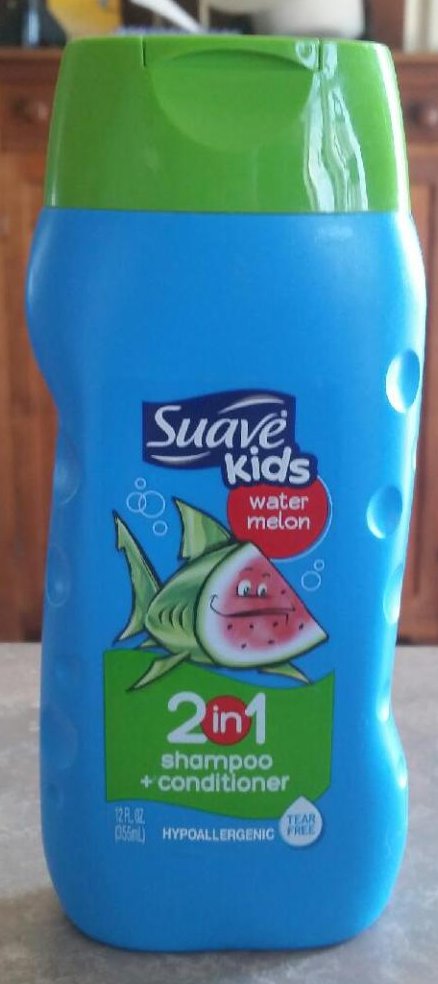
a small bottle of puppy shampoo on hand. We actually use and like Suave
shampoo-conditioner combinations for children!
When your puppy is a few months older, check out a
Furminator! This is the most amazing tool to remove hair that is getting
ready to fall off onto your carpet, floor, or furniture. Used gently, it
will reduce doggie shedding by "supposedly" 90%....and by the looks of it,
it's true! You may have to do a search online for Furminator, but we found
the best prices at
E-bay. There are also off-brand knock-offs that I've heard work just as
well as real Furminators.
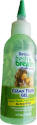
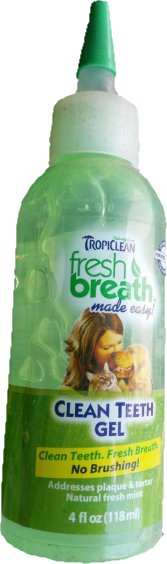
Dental Care...a friend of mine swears by
this! It doesn't require brushing teeth, and removes tartar that has
already built up plus keeps tartar from forming if used as directed (or even
less often, according to her). Try applying it to teeth (with your finger or
a Qtip) once a week beginning as a puppy. It may prevent annual dental
cleanings.
TropiClean Clean Teeth Gel may be found on Amazon, in pet supply stores,
or possibly on eBay. I think I have even seen a version of it at Wal-Mart.
Ear Cleaner / Cleanser for Dogs: I like
ADL Foaming Ear Cleanser, and also the ear cleaner from
NuVet the best. The
NuVet
cleanser is all natural and very gentle, but still works well!
Name Tag or ID
No puppy or dog should be without an ID
tag. A tag and a microchip work together to help ensure that your
puppy can be traced back to you if he's ever lost.
The safest ID tag doesn't dangle,
and slides on the collar to lay flat on the collar. Look for
"silent ID tag" to get ideas and find other key words to search for. The
dangling bone-shaped tags are cute, but can get caught in cracks
in wooden furniture, furnace vents, or cracks in decks and strangle dogs.
***A note regarding microchips: A
microchip is NO GOOD at all if the paperwork isn't filled out and submitted
online or sent in to
the microchip company that maintains the database! Don't forget that step!***
Miscellaneous/Optional
- Pooper scooper
- Folding gate to confine your puppy to a particular room or protect him
from stairs
- Chemical deodorizers or carpet shampoo spray bottle for accidents.
Or, a spray bottle with a mixture of 4 parts water and 1 part vinegar to
spray on accidents on the carpets. This takes the smell away so they won't
consider it their marked area and return to leave deposits. Also, Arm N
Hammer Vacuum Free foam carpet spray deodorizer works well. Spray it, walk
away.
- A dog bed, and
Comfort Zone comforting spray
-
Pepto Bismol: You can give puppies Pepto Bismol if needed.
If your puppy has a little bit of loose stools, you can
give Pepto to him/her to help settle the stomach for a couple days (after
that, a formulation actually made for dogs is recommended). The change of leaving
littermates can sometimes cause looser stools. If the puppy is still
eating and drinking, it's normally not something to be worried about. But
if he/she stops drinking, dehydration can become a concern. I have given Pepto Bismol (or generic equivalent) to puppies as needed....1 to 1 1/2
cc's orally, which is probably 1/4th to 3/8ths of a teaspoon. A couple
times that first day seems to help a lot.
-
SafeGuard, Panacur, or other fenbendazole-containing dewormer. See our page
about Giardia to learn why this dewormer has dual
benefit for young puppies. Even if no germs or worms are present (we test for
those to help ensure that they are clean before they leave us), it appears to
change the pH of the bowels and bring normal stool consistency back.
Places to Buy Supplies
Links to Other Web Sites
Google thinks you might be interested in visiting:

In Summary...
- Collar and leash
- Food and water dishes (and food!)
- Chew toys
Crate
Soft-bristled brush
Toenail trimmers for dogs, unless your vet will do it
for you
Puppy shampoo
ID collar tag (or microchip from vet)
Pooper scooper
Folding gate, if needed
Cleaners for carpet, for accidents during potty
training
Dog bed
Knowledge of how to potty train, if your puppy will be
inside. Visit here for some
reference for potty training (scroll to bottom).
Also remember to have pre-scheduled your first puppy
vet appointment for soon after puppy arrives. A health check is an
excellent idea, plus puppy will be ready for another vaccination/deworming
at about 9 weeks of age.
It's not necessary to spend a lot of money on a puppy product to keep
your pet happy. Once you have the essentials, wait a few weeks and see what
else he needs. You don't want to buy something that never gets used. Also,
your puppy can quickly outgrow collars, crates, and other items so purchase
with his adult size in mind.
Other Info for New Puppy Owners
Visit our Table of Contents page
for links to information valuable to new puppy owners. This page includes
FAQ's, training advice, and much more!
References
http://www.raisingspot.com
http://www.training-dogs.com/puppy-supplies.html

|