|
Please check this page after your puppy is weaned to ensure that you know
which food(s) your puppy is accustomed to eating while at our home.
I try to keep this page updated so new families know what
kind of food to buy a 'beginner bag' of for that first week the puppy is at
his/her new home.
Puppies need to be on a good
quality food formulated JUST for puppies for at least four
months. This used to be recommended for a full
year, but research has begun to show that we are feeding our
puppies "too well" and they are growing too fast. Growing
too fast can contribute to joint problems later in life.
Please talk to your veterinarian to learn what he/she
recommends. I had always heard that we should feed a puppy
formulation for 7-12 months until I went to a small animal
specialist in 2017 and learned about the recent research and
got his recommendation....stopping puppy food at
FOUR MONTHS of age. I was surprised!
Most vets have not heard of these recent studies, but it's
good to know and to ask your vet for ideas.
From just prior to weaning until our
puppies leave us, they experience a variety of foods and
supplements including puppy milk replacer formula, fresh
goat milk from our farm, canned puppy food
(small amounts only), probiotics, Nutrisource Small/Medium
Breed Puppy, and Diamond Naturals Small Breed Puppy. Initially, we
are more concerned with getting them to eat solid food than
worrying about "which food" they start eating.
Don't Worry! :-) The most
important components of our feeding program are those that
your puppy is eating right before he/she leaves us, because
you should try (as best as you can) to mimic that diet for
a week or so before changing the puppy's diet. At that
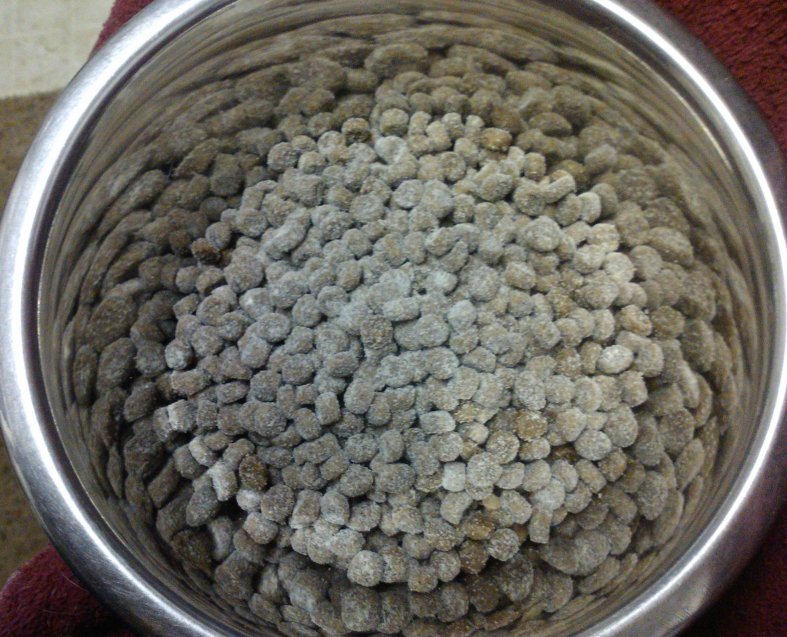
time, we typically are just feeding our puppies a mixture of
two dry puppy foods or (more often) just our most-favorite dry puppy food,
pictured below.
March, 2024 Update:
I have been pretty perplexed by a puppy food availability problem, and today
found out that Diamond Naturals is having problems keeping up with demand. They
are building a new factory to help, but it is not anticipated to be in
production until some time in 2025.
So, here's the plan!
- For puppies leaving by March 8, 2024, I will still have
a 3 to 5-day supply to send home with you.
- Transitioning to your chosen food: For the first two
days, give the puppy this food. On the third day, begin mixing it with
whatever food you are choosing to use (if you don't have Diamond Naturals Sm/Med
Puppy).
Starting March 7, 2024, they'll be getting a mixture of 2 or more puppy
foods. You could either get one of those foods to use, or you can choose a
totally different food and mix what I send with that to transition fully to your
chosen puppy food.
Currently, this is the mixture:
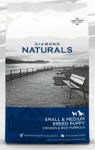
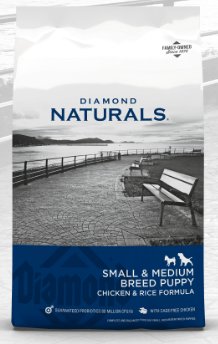
- Diamond Naturals Small/Medium Breed Puppy, chicken and rice
recipe.
Diamond Naturals Small & Medium Breed Puppy Chicken & Rice Formula
(diamondpet.com)
Diamond Naturals puppy version is in a shortage right now. It can usually be
found in many places that sell pet foods (not Walmart), including Menards,
Tractor Supply, Bomgaars, Chewy, etc.
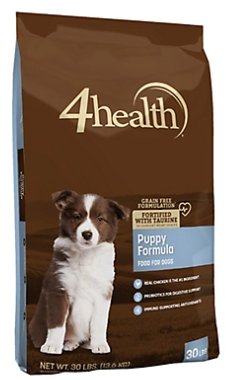
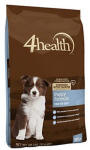
- 4Health Puppy Formula (this particular one is a grain-free food,
and I would not use it exclusively but it's good to mix with other puppy
food...they have a grain-inclusive food, but I didn't see it before I picked
up this one).
4health Grain Free Puppy Chicken Formula Dry Dog Food at Tractor Supply Co.
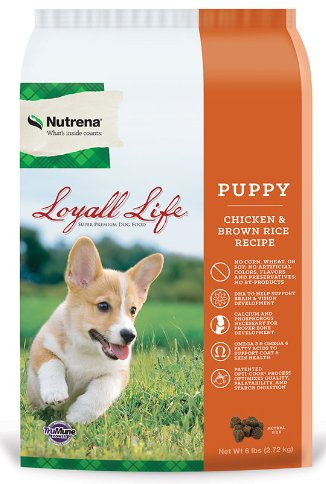
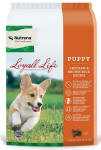
- Loyall Life Puppy, chicken and brown rice recipe.
Loyall Life Puppy Chicken & Brown Rice Recipe (nutrenaworld.com)
Their "find a dealer"web page is not accurate, as I've seen it in many
places that don't show on that map.
Where to Buy | Nutrena
Animal Feeds (nutrenaworld.com) . Tractor Supply, Bomgaars, and other
farm and home stores very often have it. Maybe Menards and Chewy?
-
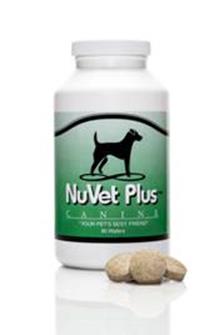
We also recommend NuVet
antioxidant supplements for
immune support above any other "vitamin" on the market!
I might get Purina One puppy food to add to
the mix for more variety, and will update this page.
Interesting fact...Studies suggest we should keep
medium-sized breeds of puppies on
a puppy formulation until they are at least four months. On the advice from a
small animal specialist (veterinarian that only served small animals, no
livestock), I switch puppies from a puppy food to an adult food formulated for
"all life stages" at FOUR months. "All life stages" foods meet puppies'
nutritional needs, but aren't quite as supportive of overgrowth or
excessively-fast growth. Slower growth is actually better for life-long
soundness.
 |
Until March 8, 2024:
Our puppies are/were accustomed to
Diamond Naturals
(Chicken and Rice) Small/Medium Breed Puppy Food
(5 stars out of 5 stars, rated by Dog
Food Advisor)
See
http://www.diamondpet.com/dealer_locator/ for online and
physical addresses.
Most
Menards
stores carry it, as well as many farm-oriented stores, such
as Tractor Supply, Orscheln Farm and Home, local farmer's elevators/co-ops, etc.
Many people also order from various sources online.
If you are soon
to receive a puppy, we recommend that you try to find
a small bag of this food your puppy is currently eating to use for a week.
We will send a little bit with you to get you started,
too.
After a few days, you can begin mixing it with the food
you plan to feed throughout your puppy's first year until the small bag is
gone.
|
|
|
We also recommend NuVet
antioxidant supplements for immune
support above any other "vitamin" on the market!
Scroll down or click the bottle (left) for information about
high-quality
vitamin/antioxidant supplements.
NuVet supplements usually must be ordered online (see
information at the link), but a very few veterinarians carry them
as well. If you would like to give NuVet supplements, we
recommend ordering them directly from NuVet. It is easier and faster than
driving to the vet, who may or may not carry them (and may
try to sell a different supplement to you that might not have all the benefits of NuVet).
These supplements are cold-pressed, not cooked. Therefore, the antioxidants/prebiotics/minerals
are not damaged by heat. |
How Much Food
and How Often? (See above update regarding possible brand
change)
-
We keep Diamond Naturals Small Breed
Puppy Food (unless an exception above exists) with the puppies almost all
the time until they are 8 or 9 weeks old. We need to offer
food most of each day to ensure that all puppies in the
litter get enough food, rather than having one slower-eating puppy
not have enough. This also helps prevent any puppies from
feeling that they need to rapidly eat as much food as they
can, out of fear that they will be hungry when there isn't
any food available if the other puppies eat it all.
-
At 8 to 10 weeks, beagle puppies should
be offered 3 meals per day, depending upon their
weight/size.
Feeding "meals" after a puppy leaves littermates will help
you with potty training. For a good eater, 2 meals per
day may be sufficient. But 3 meals per day is even better for 8 to 10 week old puppies under 6 lbs, in our opinion...and
some people feel continuing with 3 meals per day is best for
up to the 6-month age.
-
Check the feeding suggestions for the
brand of puppy
food you choose. The daily recommended amount will be listed
by either puppy weight and age, or else by the puppy's
weight at maturity.
~"Most" of our puppies are
eating between 2/3rds cup and 1 cup per day when they leave
us around 8 weeks of age.
~Our beagle puppies "typically" weigh between 4.5 and 5.5
lbs at 8 weeks. Puppies this size are usually eating about
3/4ths of a cup per day, sometimes more.
~The small beagles might weigh 3.5 to 4 lbs at 8 weeks, and
they may be eating only a half or two-thirds of a cup per day.
~Look at your puppy's mother/father (link is on the web page
that your puppy's pictures are shown on) for their weights
to estimate your puppy's mature weight.
~I have found that the recommendations on the bags are
often too much for beagles, and the beagles get fat when
fed that amount. For growing puppies, it's best to evaluate
the puppy's condition every 3 or 4 days halfway between
feedings or at the same time each evaluation day. If he
looks like he is losing weight, up the feed a bit. If he is
staying the same and looks good, keep the volume the same.
~I don't like to see puppies' ribs, but it's ok to see a bit
of hourglass shape when viewed from above. On adult beagles,
there should be a definite waist/hourglass shape. Puppies
tend to be more round, though. For the first several months,
puppies typically do have a bit of chub, but we don't want
them to be obese because that is hard on their joints.
~It is hard to feel confident about food volume, so I recommend
asking the vet to tell you if your puppy is too fat or too
thin those first couple months after coming home, each time
you visit the veterinarian. After
puppies are 5 or 6 months old, they have more of an adult dog
conformation, and you can more easily see just by looking for
that waistline.
Examples of Dog
Food Brands, and Comparison
A
high-quality puppy food is essential for the first few months.
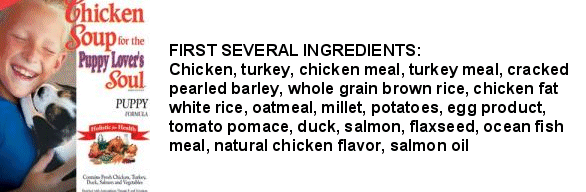
Diamond also makes the
Chicken Soup For The Pet Lover's Soul dog foods, which
have good ingredient lists.
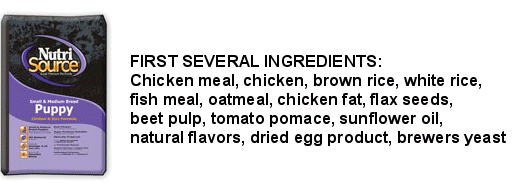
NutriSource Small/Medium Breed Puppy
has a very good ingredient list as well.
We
love
Diamond
brand (Lamb and Rice) Large Breed Puppy for puppies that are 3
months
old and older. Not because beagles are large, but because
this food is outstanding!
Purina
One, Science Diet, Eukanuba,
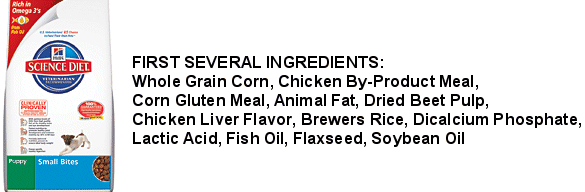
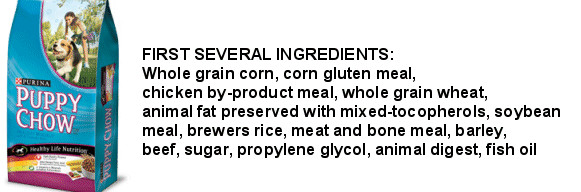
Solid Gold, and Iams are also popular (though corn
is a major ingredient in them....yes, even the Science Diet,
unless you buy the right version directly from a
veterinarian), and your veterinarian might
have a suggestion that he/she prefers.
Lamb and
Rice or chicken and rice foods (no corn in the ingredients) are often recommended for breeds of dogs with
large ears that lay down, like beagles.
Blue Buffalo offers several good puppy foods. We also like
the quality of
NutriSource puppy food, and often supplement our puppies with
that when nearby stores run out of Diamond Naturals.
However, millions
of puppies have been raised on non-specialty store-bought food, and you sure can choose
that route as well as long as it's specifically formulated for puppies.
How do you know if a food is good?
Look at
the ingredients...if "corn" or "corn meal" (or similar) is
in the first few ingredients, it isn't viewed to be as good as if those
ingredients were lower on the list. Better yet, avoid a
corn-based feed entirely and look instead for rice. Or,
consider a diet of food totally without corn, rice, wheat,
etc. This can be accomplished via prepared foods such as
Natures Variety, or by careful research on your part and
feeding a diet of raw meats.
Foods I Like
Good Ingredient List
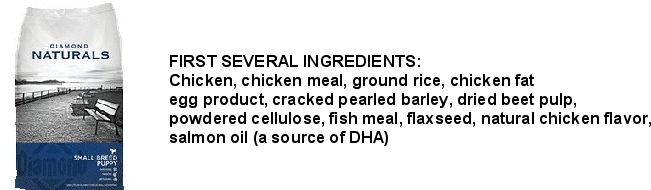
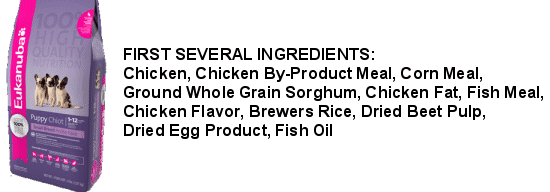
Common Foods I Like Less
(below)
But are still formulated for puppies and will probably be fine.
(see the prominent location of "corn"
in ingredients):
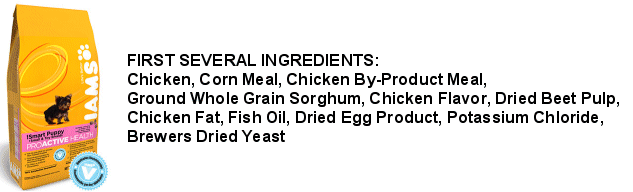
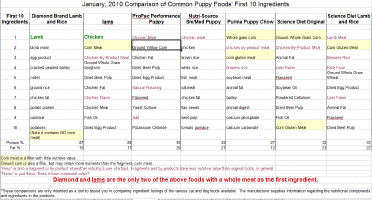
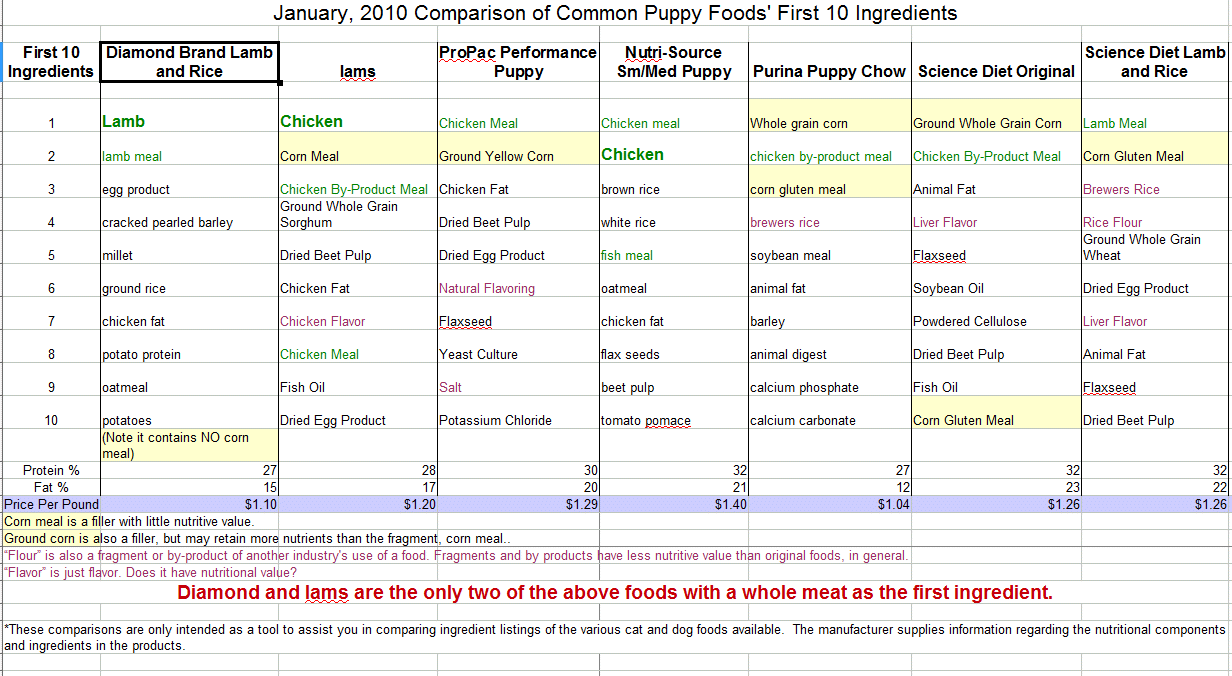
Click the image above for a comparison of several popular
puppy foods' first 10 ingredients and their PRICE (around
2013).
Check out
http://www.dogfoodadvisor.com for
reviews of dog foods. I don't know if this site is truly
independent or if it's sponsored by dog food manufacturers
yet. If it's independent, it's kind of a neat site!
How long should I feed puppy food?
Four months? Seven months? One year?
This is very controversial. In 2017, a small animal
specialist told me that he recommends STRONGLY that puppies
be changed from a puppy formulation to an "all life
stages" formulation at 4 months of age. He said puppy
foods are too rich, and are making puppies grow too quickly
and attain sizes larger than nature intended. This leads to
health issues later in life. Most mixed-species
clinics don't know about all the studies he has read, and
still recommend 7 months to a year on puppy food.
When we
get to keep/raise one,
we have chosen to switch our puppies to an "all life stages"
food (Diamond Naturals Chicken and Rice) at
4-5 months of age because of
what the specialist described to us.
It would be best to ask your veterinarian what he/she
thinks, research, and decide what you feel is best.
What about "grain free" foods?
Please read the
AKC Letter about grain-free foods, 2018, and consult
with your veterinarian.
2020 Update: Still concerns about a link between grain-free
diets and heart problems.
What about a raw diet for our puppy?
I don't recommend raw diets for "puppies,"
but if you want to go to the work
and/or pay for a raw diet for a mostly-grown puppy or an
adult dog, there are merits to it (and also grave concerns).
This would be a good question to ask your veterinarian.
Web MD for Pets regarding Raw Diets for Dogs
Vitamins and/or Antioxidant
Supplements
Puppy foods are supposed to
be complete, but they are cooked. Cooking the kibble damages
some of the ingredients, causing likely nutritional gaps in
puppy foods. If you are going to give a vitamin to bridge
those gaps, why not give the best
one you can?
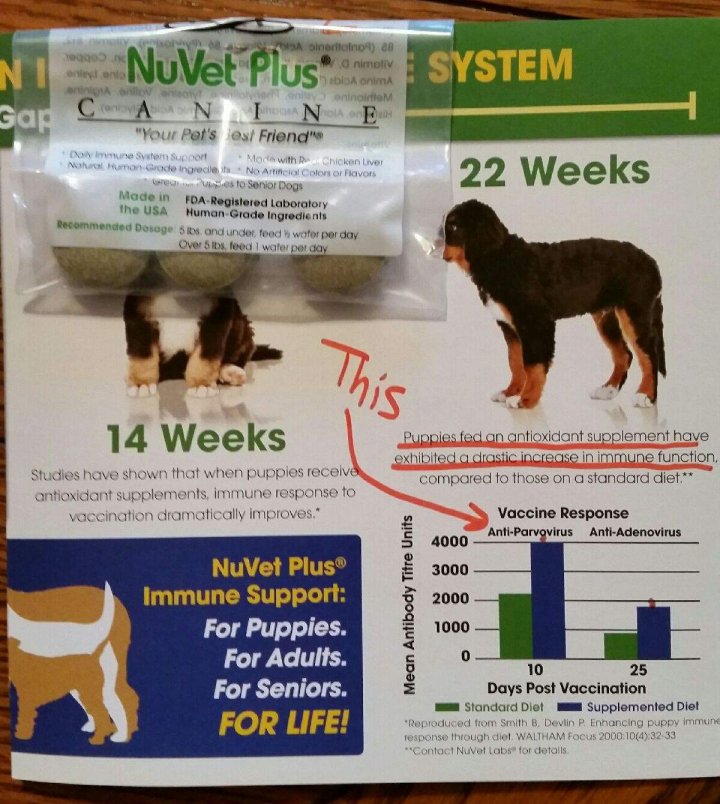
An excellent
vitamin we definitely support is made by NuVet Labs.
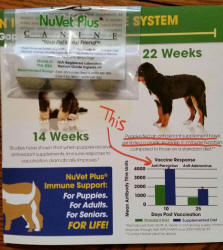
This product can help puppies develop stronger immune systems, which
can help your puppy be healthier AND can even assist the
vaccinations your puppy receives in providing the
highest-possible immune protection. These supplements are the best
I've seen, as they are cold pressed (not cooked)
which means the ingredients aren't damaged by heat. They are
BOTH vitamins and antioxidant supplements in one tasty
treat.
http://www.nuvetlabs.com/
1-800-474-7044
You may have to use my order code if you order via phone:
23915
Or, order by clicking the bottle image, below:
NuVet Plus: Natural, Powerful
Immune System Support
-
Veterinarian Recommended and Scientifically Formulated
to Provide Everything Your Pet Needs for Optimal Health!
-
NuVet Labs’ Goal is to Help Increase Your Pet's
Longevity and Quality of Life. Many breeders will only
honor their health guarantee if the puppy's families can prove that their
puppy is getting NuVet vitamins daily through receipts for purchase.
I do not require that. But, that's a testament to how strongly breeders feel about the quality of
these vitamins.
-
When a puppy is moved away from its mother and siblings to
live with its new family, the immune system is weakened by the stress of
adoption and exposure to new/different bacteria and viruses in its new home. These are
pathogens for which the puppy’s body has not yet developed antibodies, and
it is widely recognized that the immune system is less effective in times of
stress. So starting NuVet Plus now can be important to helping your puppy
grow into a healthy adult.
-
NuVet Plus for Canines
provides the very best human-grade, natural ingredients
available, and utilizes the latest advances in medical,
veterinary, and nutritional science.
-
NuVet products help put pets on the “path to perfect
health” and support their development through every
stage in life.
-
NuVet Plus is not available in stores or directly to the
general public. You can only purchase NuVet Plus when
you get a recommendation only from a pet professional,
which is why I think you might need my order code,
23915, if you want to
order.
-
Thousands of the nation’s top veterinarians and other
pet industry professionals use NuVet Plus® for their own
pets and recommend it to their clients’ pets!
-
NuVet Plus is Natural – No Artificial Sweeteners or
Fillers
-
Receive a 15% discount off every order if
you choose their "Autoship" option. I believe you can set the frequency of
the shipments.
-
Video about
NuVet Plus and more information (opens in a new window), if I can get the player to work. ;-)
-
Seizures...I know of at least three dogs (one Maltese, 2 beagles) that
stopped having seizures after they began receiving NuVet vitamins! (as
of 2020)
What If Our Puppy Doesn't Eat Or Drink
Well
At First?
Normally, there is very little problem with eating habits in the new
home environment. But just like when we humans are away from
home, puppies will sometimes be too caught up in their new
place and the excitement to eat and drink on their normal schedule.
If possible, offer a couple teaspoons of plain or vanilla yogurt with active
cultures (most brands have active cultures, including the Wal-Mart store brand)
mixed with puppy kibble once or twice daily. This not only is a treat that might get your puppy to eat,
but the cultures are also good for digestion during this time of stress.
*This seems to work well: Buy a can of dog or puppy food (any brand) and
mix no more than "a couple tablespoons" with his/her dry kibble, stirring it up so the canned
food coats almost all of the dry kibbles
(don't put too much on, or the puppy might get diarrhea).
Or, do the same with a couple tablespoons of cottage cheese.
You can also buy puppy or all-species milk replacer powder from a vet or pet supply store, and
sprinkle that on the puppy's dry kibble (then stir to coat the food) to make it
more appealing. See image below (don't put too much on, or the puppy might get
diarrhea):
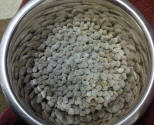
One food caution is to not give canned puppy food unless "needed" to entice him
to eat...and then only in controlled amounts. Canned puppy food is not very nutritious, and also puppies will overeat
if allowed to. This can lead to bloated stomachs, gas, vomiting, and diarrhea,
and can require a trip to the emergency room. It is a good idea to have canned
puppy food on hand, but if you use it, we recommend mixing no more than 2 tablespoons of it
with about 1/4-1/2 cup of dry food so the canned food coats the kibbles. This
would only be necessary if he was not eating very well due to his new
environment. Sometimes they do that for a day or two.
We've also had people put canned or fresh cooked (cooled) chicken broth over the
dry kibbles, and even using a little broth or tuna juice in water if needed to
get the puppies to drink.
Again, because this is very important!
PLEASE DO NOT FEED YOUR PUPPY CANNED PUPPY
FOOD in unlimited amounts soon after receiving him/her.
Drastic
changes in their diets can cause severe digestive upset. Do keep a
can of soft food on hand to use to tempt the puppy to eat
if he/she is off feed. But give just a couple tablespoons at
a time to prevent overeating and bloating. If the puppy eats soft food
until he bloats, he could begin a cycle of vomiting/diarrhea
that could lead to blood sugar problems and anemia which
could be fatal.
Changing Foods Slowly
If you pick your puppy up in person, we will
try to give you enough food to last 3 to 5 days. If your
puppy flies, you should try to find some of the food the
puppies are currently eating, as the airlines now only let
us send enough food for about 1 day.
How fast can you switch to another
puppy food?
At the minimum,
please mix the food a puppy is accustomed to with your
chosen/preferred food, half and half, for 5 days. Do not
simply switch from one food to another, as your puppy could
get gas, have diarrhea, etc.
This is just "my idea" for a way to
acclimate the puppy to your new home's feed and feeding
schedule, especially if you don't plan to feed our chosen
food. It is very conservative, and we know that most people
don't adhere as strictly as this chart. But, this might give
you an idea of how to acclimate mealtime for your puppy.
Changing food too quickly after leaving us can lead to
digestive upset and diarrhea, which is not healthy for the
puppy and is unpleasant for you!
The goal is "slow change" to help prevent
digestive upset. The change of home is enough stress for the first
few days...no need to add the change in diet as well.
-
Feed straight "our preferred food"
(see top of the Food page, as I keep that updated with
what we are feeding) for 3-5 days.
-
For the first 3 days, have some dry "our
preferred food" in the food dish all the time or else feed
3 small meals per day. This allows the puppy to eat when
he/she is hungry, as his/her schedule will be unsettled for
a few days due to leaving the littermates and familiar home.
-
After 3-5 days, mix the "our preferred food" half and
half with your new food for at least a week, or until the
"our preferred food" is gone. During this time, offer food only at
meal times. Still offer several small meals per day, and not just
two meals. Puppies need to eat more frequently than adult
dogs, so three meals is probably best for them if you can do
so. For larger puppies, such as those weighing over 6
lbs, two meals per day may be fine. The smaller-sized
puppies really should have 3 meals (or more) until they
reach 6 lbs (just my opinion).
-
After the 6th day (or when the "our
preferred food" is gone), feed your favorite puppy food.
|
Day |
What to Feed |
How Often |
| Day 1 |
Dry "our preferred food"
(can mix some with water as a treat, but mostly offer dry food). |
Always available, or at
least 3 small meals per day |
| Day 2 |
Dry "our preferred food"
(can mix some with water as a treat, but mostly offer dry food).
Offer a few kibbles if your preferred food as "treats" while
training, but not more than a couple tablespoons total per day. |
Always available, or at least 3 small meals
per day |
| Day 3 |
Dry "our preferred food"
(can mix some with water as a treat, but mostly offer dry food).
Offer a few kibbles if your preferred food as "treats" while
training, but not more than a couple tablespoons total per day. |
Always available, or at least 3 small meals
per day |
| Day 4 |
Dry "our preferred food" mixed half and half with your preferred puppy food |
2 or more small meals per
day. |
| Day 5 |
Dry "our preferred food" mixed half and half with your preferred puppy food |
2 or more small meals per day.
|
| Day 6 |
Dry "our preferred food" mixed half and half with your preferred puppy food |
2 or more small meals per day.
|
| Day 7 |
Your preferred food |
2 or more small meals per day.
|
| After |
Your preferred food |
2 or more meals per day. |
Other Info for New Puppy Owners
Visit our Table of Contents page
for links to information valuable to new puppy owners. This list includes
FAQ's, training advice, and much more!

|